Choosing the Right Funeral Service: Traditional vs. Contemporary Options
Planning a funeral is one of life’s most significant and emotional decisions. Whether you’re arranging a service for a loved one or pre-planning your own, the choices between traditional funeral services and contemporary options can feel overwhelming. Both approaches offer meaningful ways to honour a life, each with unique advantages, considerations, and rituals. Understanding the key differences and benefits of both will help you make an informed choice that respects personal wishes while addressing practical concerns such as cost, atmosphere, and the emotional needs of loved ones.
In this comprehensive blog, we will explore both traditional and contemporary funeral services, shedding light on how each serves to commemorate the lives of those we cherish. By understanding these options, you’ll be better equipped to choose a funeral service that truly reflects the spirit of the individual, honouring them in a manner that brings comfort and closure to all involved.
1. Traditional Funeral Services: Honouring Time-Honored Rituals
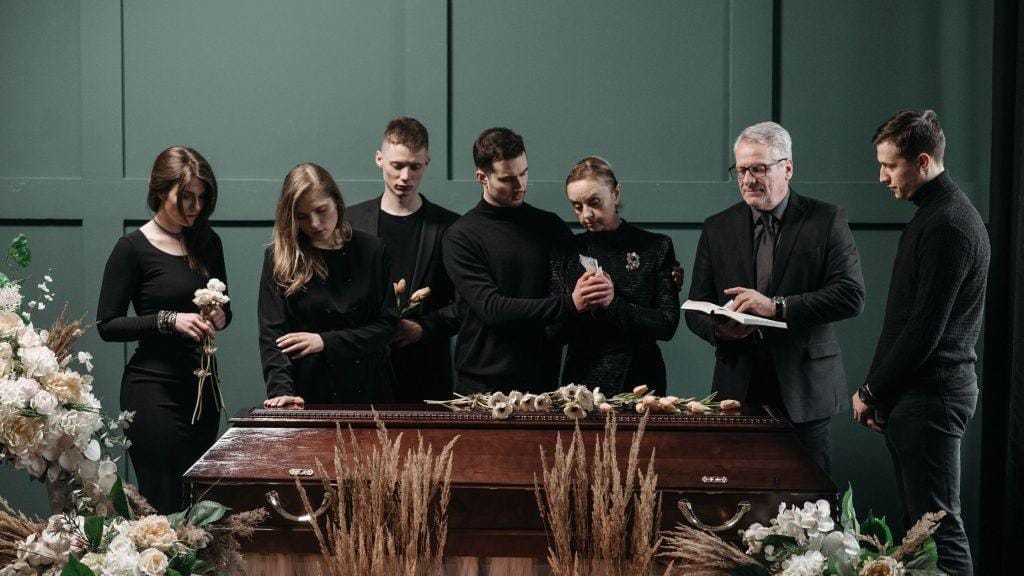
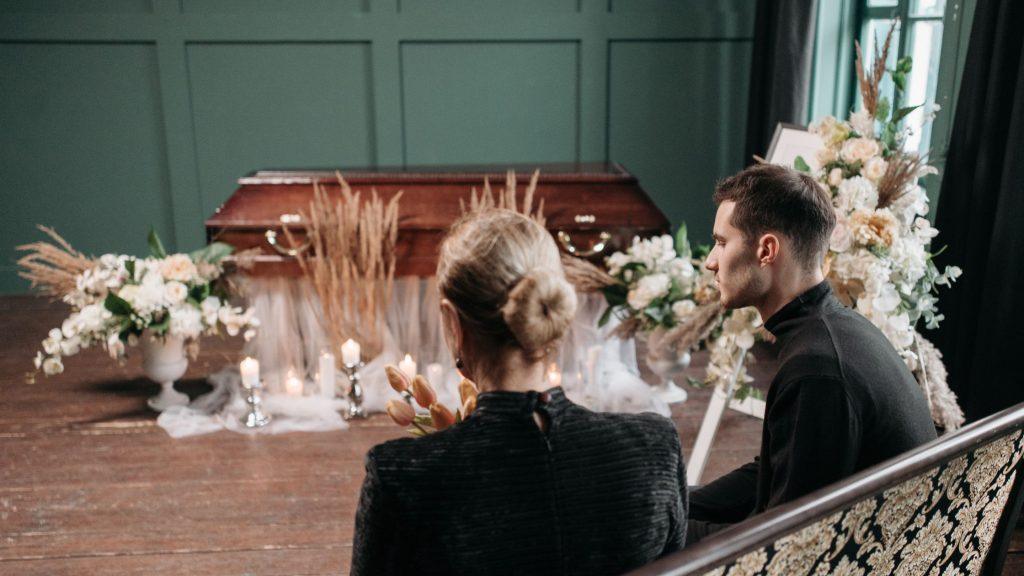
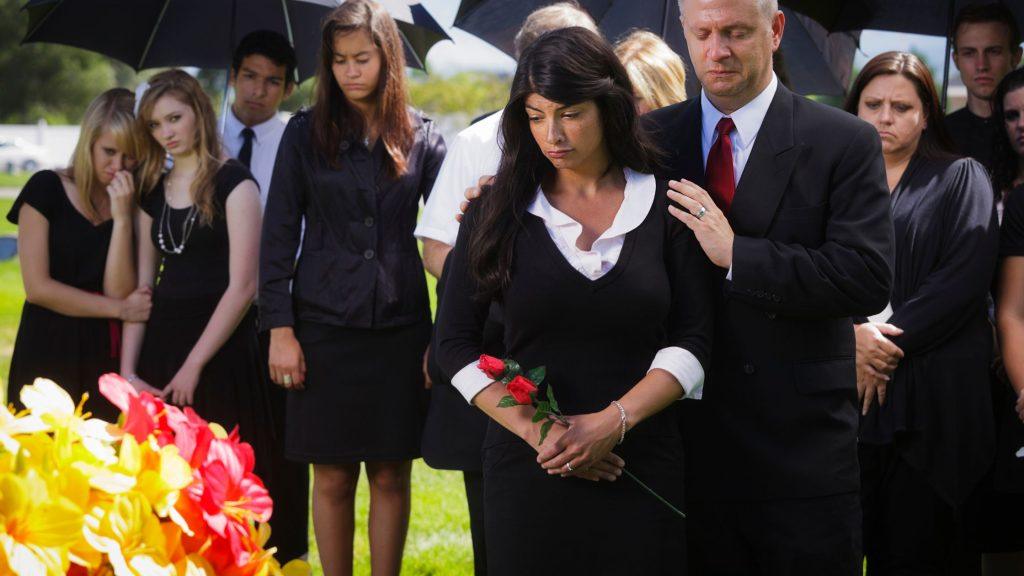
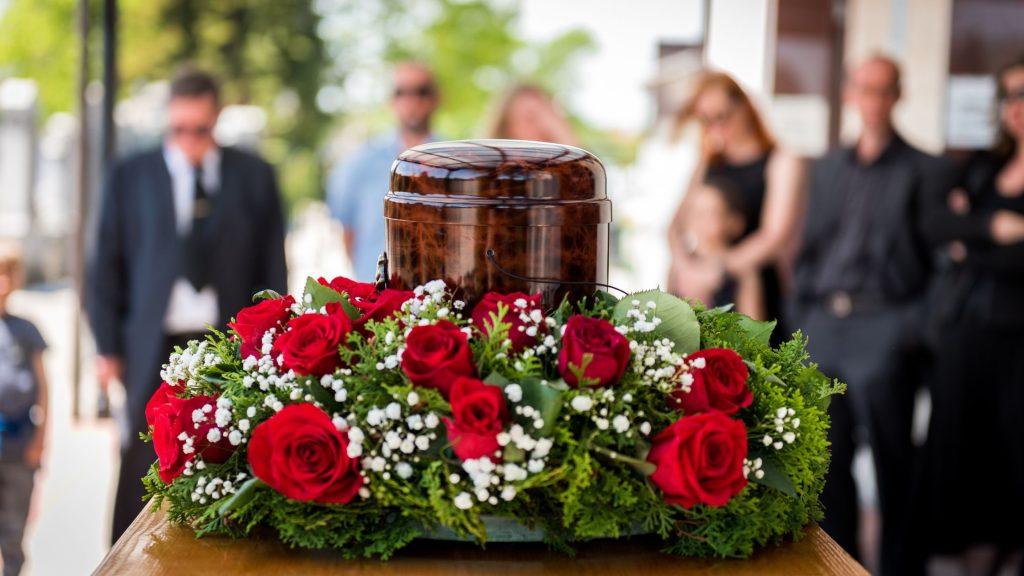
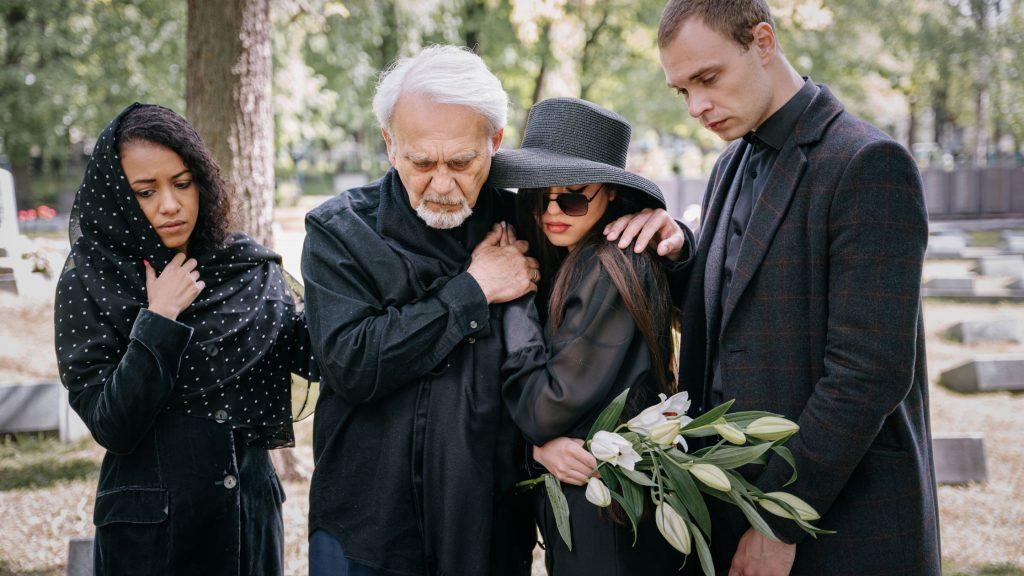
Traditional funeral services are deeply rooted in cultural and religious rituals that have provided comfort to families for generations. These ceremonies offer a structured, familiar approach, often following a format that includes specific religious or cultural rites, viewings, and a formal funeral service. Traditional funerals tend to emphasize solemnity and respect, offering a way for families to say goodbye in a more formal setting.
Key Elements of Traditional Funerals:
- Viewing or Visitation: Many traditional funerals include a viewing or visitation period before the service. This provides an opportunity for friends and family to gather and pay their respects to the deceased. It allows time for reflection and sharing memories.
- Funeral Ceremony: Traditional funeral ceremonies are often held at religious institutions, funeral homes, or other formal venues. The service typically includes prayers, hymns, readings from religious texts, eulogies, and reflections on the life of the deceased. These ceremonies follow specific cultural or religious guidelines.
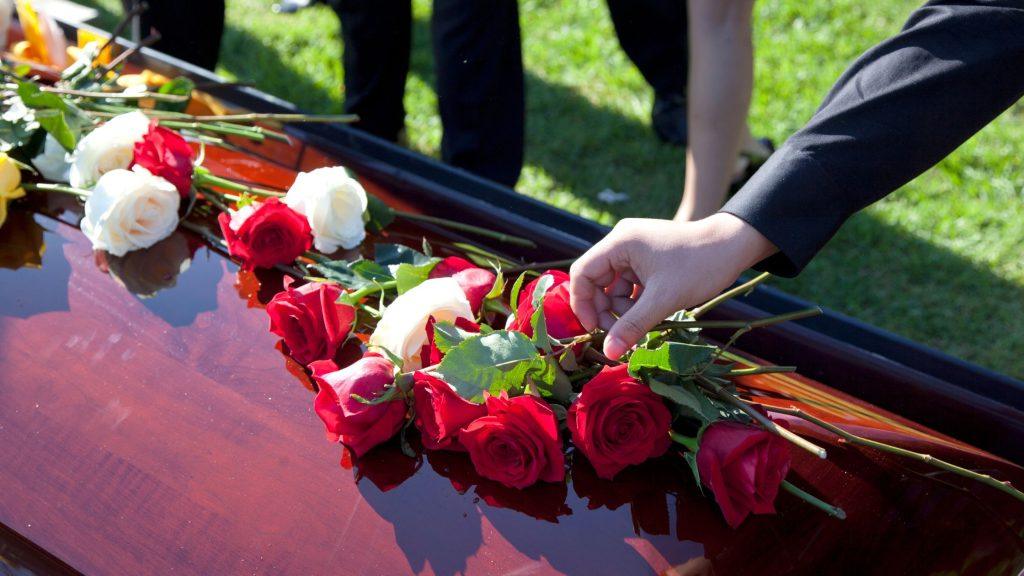
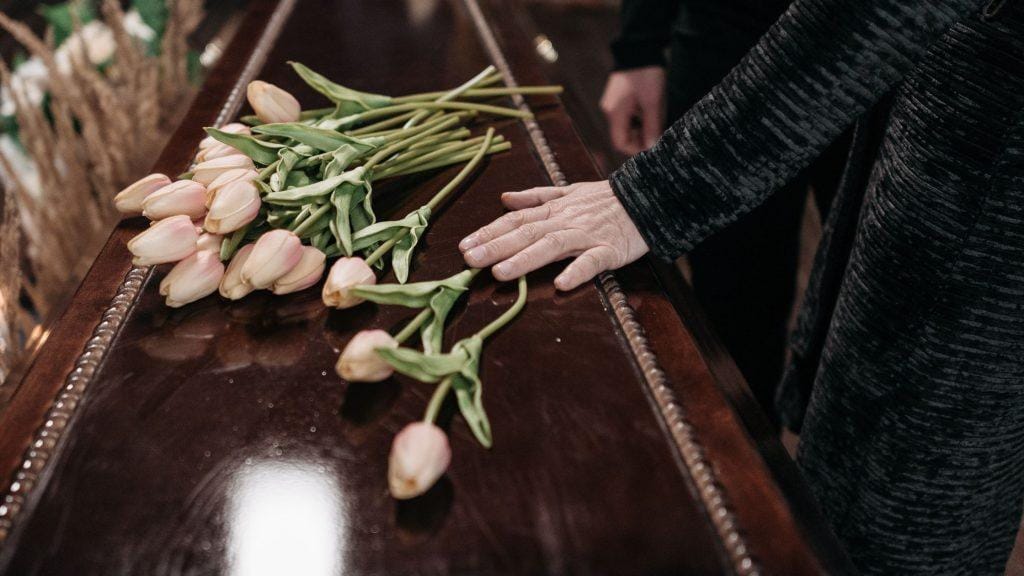
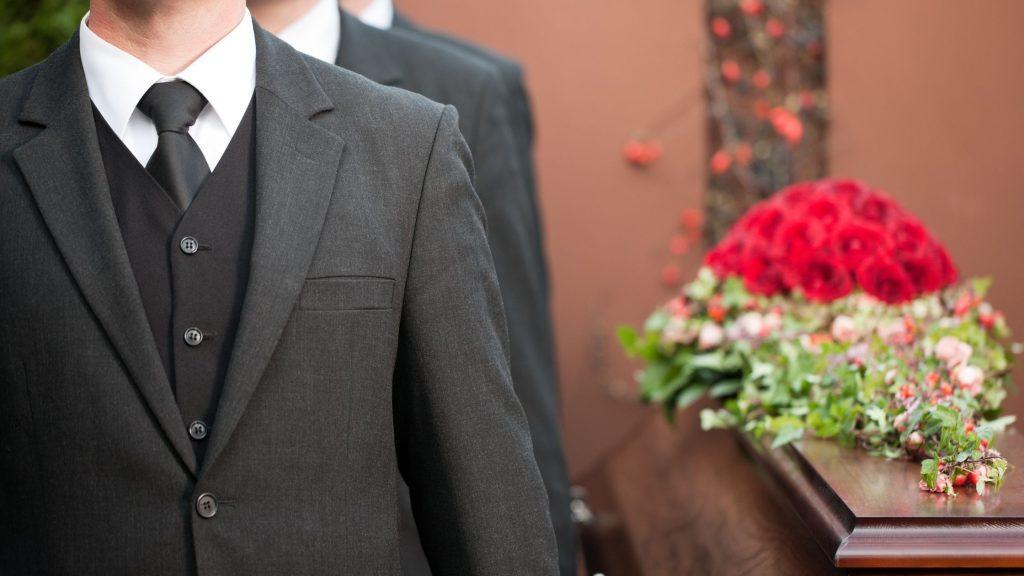
- Procession and Burial: After the service, a procession to the burial site is a common element of traditional funerals. The casket is transported to the cemetery for a graveside service or burial, often accompanied by prayers or rituals.
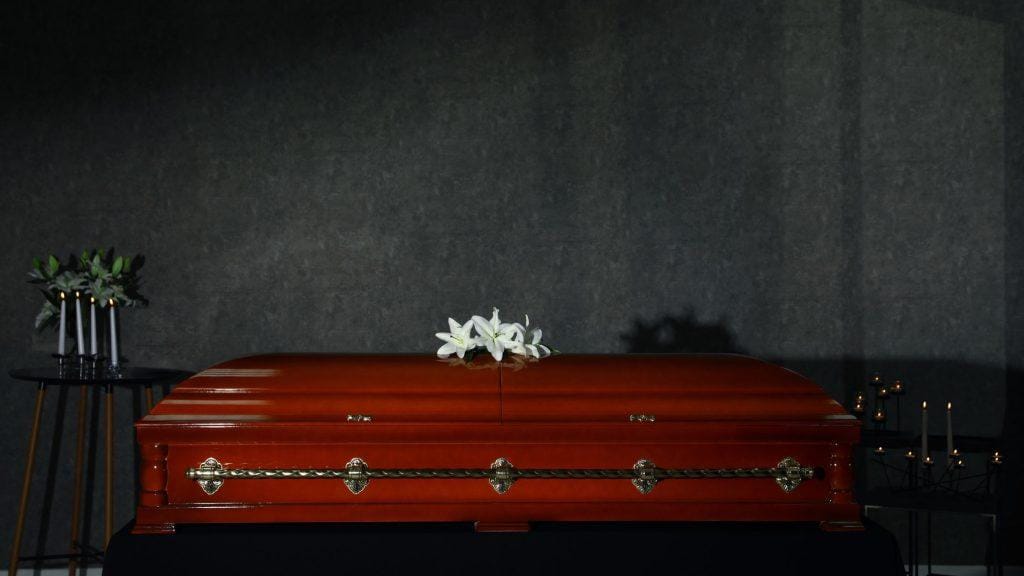
- Use of Traditional Caskets and Attire: Traditional funerals usually include elegant caskets and formal attire. Mourners often wear dark suits, dresses, or culturally appropriate clothing, reflecting the somber tone of the event.
Advantages of Traditional Funerals:

- Time-Honoured Rituals: Traditional funerals provide comfort through familiar religious or cultural practices. For families who value these rituals, traditional services offer solace and a sense of continuity during difficult times.
- Sense of Closure: Traditional funerals offer clear moments of finality, especially with the inclusion of a burial. This can provide a comforting sense of closure as loved ones say their final goodbyes at the gravesite.
- Community Gathering: These services often draw large crowds of family, friends, and community members, creating a strong support network for the grieving family.

Considerations:
- Cost: Traditional funeral services are generally more expensive than contemporary options. The costs can include embalming, casket purchase, burial plots, and other formal services. These expenses may add up, making it important to consider your budget when planning.
- Planning Time: Organizing a traditional funeral can take time, especially if religious leaders or specific cultural elements are involved. Coordinating between the funeral home, religious institutions, and cemeteries can be complex and time-consuming.
2. Contemporary Funeral Services: Personalization and Flexibility
Contemporary funeral services, sometimes referred to as “celebration of life” ceremonies, are becoming more popular for families seeking a unique and personalized way to remember their loved ones. Unlike traditional funerals, which follow a set format, contemporary services offer flexibility in every aspect—from venue and attire to the inclusion of multimedia tributes or personalized decor. These services are often less formal and more focused on celebrating the individual’s life in a way that reflects their personality, interests, and values.
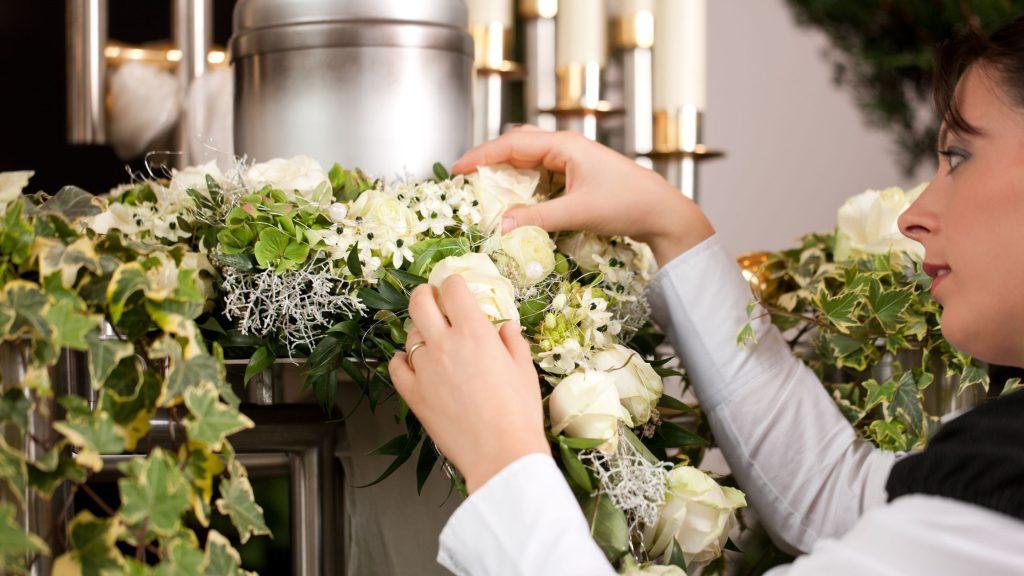
Key Elements of Contemporary Funerals:
- Unique Locations: Contemporary funerals are often held in unconventional venues such as gardens, beaches, parks, or even a family home. This flexibility allows families to choose a setting that feels more personal and intimate.
- Personalization: These services are often highly customized, incorporating multimedia elements like photo slideshows, video tributes, or personalized music playlists. The decor may feature items important to the deceased, such as favorite books, hobbies, or memorabilia.
- Casual Attire and Decor: Contemporary services tend to forgo the formal attire and decor seen in traditional funerals. Instead, attendees might wear casual clothing, and the atmosphere is often more relaxed, with a focus on celebrating the life lived.
- Flexible Scheduling and Structure: Unlike traditional funerals, contemporary services don’t need to follow a rigid schedule. They can be held at any time that works best for the family, allowing for more personalized and creative ways to honor the deceased.
Advantages of Contemporary Funerals:
- Flexibility and Personalization: One of the biggest advantages of contemporary funerals is the freedom they offer. Families can design a service that truly reflects the life, personality, and passions of their loved one.
- Cost-Effective: Contemporary services tend to be more affordable than traditional funerals. By eliminating some formal elements such as embalming, costly caskets, and graveside services, families can significantly reduce costs.
- Celebration of Life: Contemporary funerals often focus on celebrating the deceased’s life and accomplishments rather than solely mourning their loss. This positive outlook can be comforting to family members, offering a sense of joy and reflection during a difficult time.

Considerations:
- Lack of Formal Closure: For some, the informal and flexible structure of contemporary services may not provide the same sense of closure that traditional funerals, with their established rituals and defined moments, can offer.
- Planning Challenges: Because contemporary funerals do not follow a set format, some families may find it challenging to plan a service that feels right. Without clear guidelines, decision-making can be more difficult, especially in a time of grief.
3. Blending Traditional and Contemporary Funeral Services
For many families, the decision between traditional and contemporary funerals isn’t an all-or-nothing choice. Instead, a hybrid approach is becoming more common, allowing families to combine the most meaningful elements of both options. A blended service can honor religious or cultural traditions while incorporating modern, personalized touches.
Ways to Blend Traditional and Contemporary Funerals:
- Traditional Ceremony with Personal Elements: You can maintain the structure of a traditional funeral while adding personal touches, such as playing the deceased’s favorite song or incorporating a video tribute during the service.
- Contemporary Venue with Traditional Rituals: If you prefer the flexibility of a modern venue—such as a garden or an outdoor space—you can still include traditional religious prayers, hymns, or readings to provide a sense of familiarity and comfort.
- Memorial Service After a Private Burial: Some families opt for a small, private burial with close family members, followed by a larger, more personalized memorial service at a later date.
Advantages of Hybrid Funerals:
- Best of Both Worlds: Blended services offer the comfort and familiarity of traditional rituals while allowing for personalization and flexibility.
- Tailored to Family Needs: By combining elements of both traditional and contemporary funerals, families can meet the varying needs and preferences of all attendees, regardless of their individual beliefs or desires.
4. How to Choose the Right Funeral Service for Your Loved One
Selecting the right type of funeral service is often one of the most difficult decisions you’ll face after a loss. Striking a balance between honouring the deceased’s wishes, accommodating the needs of family and friends, and staying within budget can feel overwhelming. Here are some factors to consider as you weigh your options:

Questions to Ask:
- What Were the Deceased’s Preferences? Did your loved one express any specific wishes about how they wanted to be remembered? If so, honouring those preferences should be a top priority.
- Is Religion or Culture Important? For families who value religious or cultural traditions, a traditional funeral may be more appropriate. On the other hand, a contemporary service might better reflect a life lived outside of these frameworks.
- What is Your Budget? Traditional funerals tend to be more expensive, while contemporary services offer more cost-effective solutions by eliminating certain formal elements.
- How Many Guests Will Attend? Traditional services often draw large crowds, while contemporary funerals tend to be smaller and more intimate. Consider the size and setting that will feel most comfortable for your family.
- Do You Want a Formal or Casual Setting? The tone of the funeral—whether formal or relaxed—can significantly impact how family and friends feel during the event.

Making the Right Decision:
- Blending Elements: If you’re struggling to choose between traditional and contemporary services, consider blending aspects of both to create a more personalized experience that feels meaningful to all attendees.
- Consult a Funeral Director: Funeral directors are experienced professionals who can help guide you through the decision-making process. They can provide advice on balancing traditions with personal touches, ensuring that the service meets your family’s needs.
Conclusion:
Choosing between traditional and contemporary funeral services is a deeply personal decision that should be based on your loved one’s wishes, family preferences, and budget. Both options offer meaningful ways to honour a life, with traditional funerals providing comfort through rituals and contemporary funerals allowing for greater personalization and flexibility. For many families, a blended approach offers the best of both worlds, combining the structure and solemnity of tradition with the creativity and personal expression of contemporary services.
By carefully considering your options and consulting with professionals, you can create a funeral service that is both a fitting tribute and a source of comfort to those who loved and cherished the deceased. If you’re ready to start planning, contact us today to explore the range of funeral services.