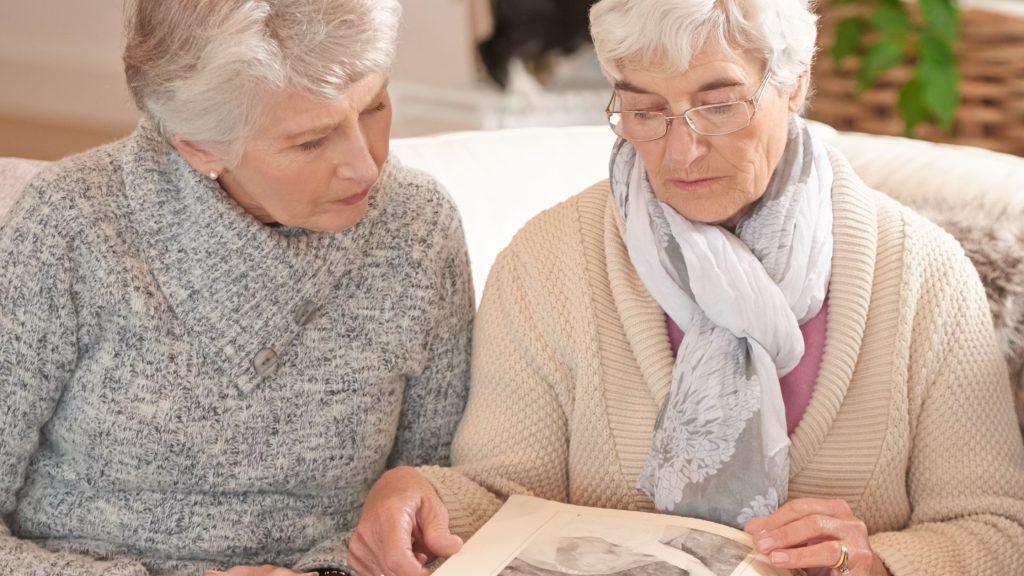
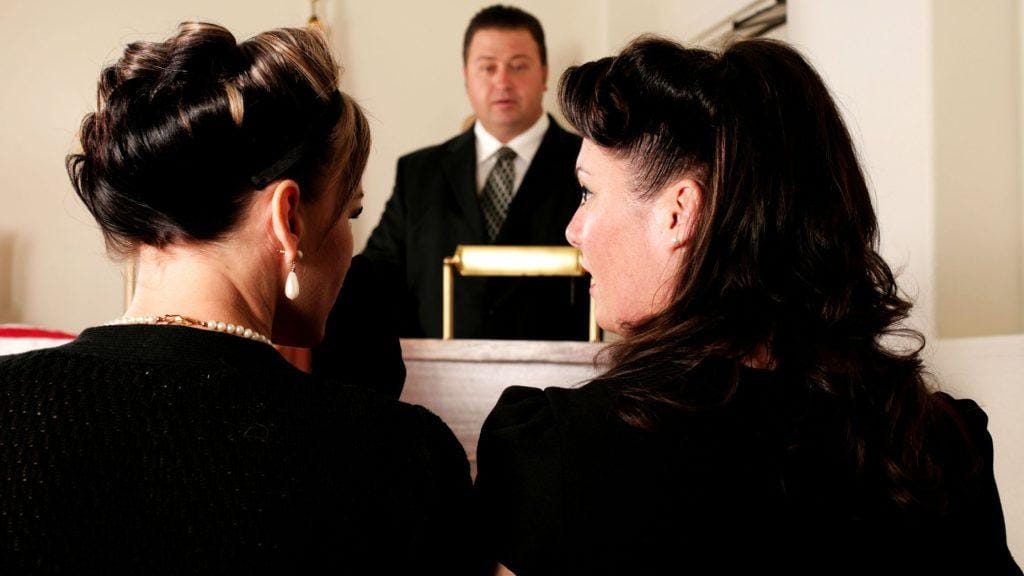
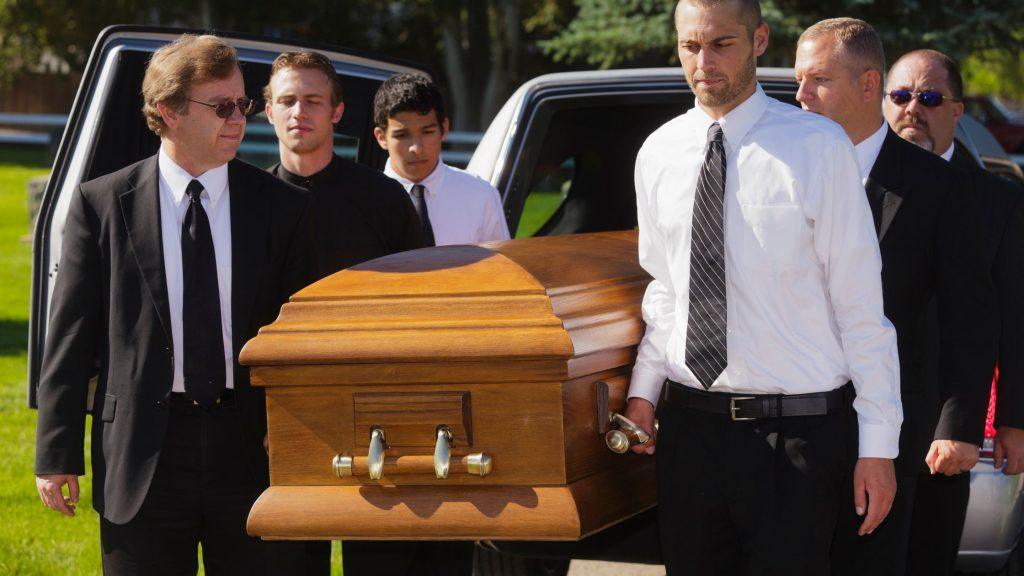
Dealing with Grief: Coping Strategies for Families and Friends

Grief is a universal experience that touches every life at some point, yet it remains deeply personal and unique for each individual. Navigating the emotional landscape of grief can be overwhelming, isolating, and exhausting. Whether you’re mourning the loss of a loved one or supporting someone else in their journey, understanding the nature of grief and employing healthy coping mechanisms is vital. This comprehensive blog will walk you through the stages of grief, effective strategies for managing loss, and how to support those around you in their moments of need.

Coping with grief is not a one-size-fits-all approach, and healing does not follow a set timeline. Each individual must find their own path through sorrow, but there are universal truths and steps that can make this difficult journey more bearable. Emotional well-being, physical health, and social support all play critical roles in helping you navigate grief’s challenges.

Understanding the Stages of Grief

The grieving process is often conceptualized through the five stages of grief, introduced by psychiatrist Elisabeth Kübler-Ross. This framework, while not definitive for everyone, offers a way to understand the complex emotional responses associated with loss. The stages aren’t necessarily experienced in order, nor are they the same for everyone, but they can provide a helpful roadmap for understanding and acknowledging your feelings.

Here are the five stages of grief:

  1. Denial:
    In the immediate aftermath of loss, many individuals experience denial, a psychological defense mechanism designed to shield the mind from overwhelming pain. Denial manifests as a feeling of numbness or disbelief, and can make it hard to accept the reality of the loss. During this stage, the mind processes grief slowly, giving you time to adjust to an altered reality. You might find yourself thinking, “This can’t be happening,” or, “I’ll wake up and everything will be back to normal.”
  2. Anger:
    As the numbness begins to wear off, anger often emerges. This anger can be directed at various targets, including yourself, others, or even the person who has passed away. You might feel a sense of injustice, frustration, or helplessness, questioning, “Why did this happen to me?” It’s important to recognize that anger is a natural and healthy response to loss. It can provide a release for pent-up emotions and help you process the magnitude of the situation. Suppressing anger can prolong the grieving process, so allow yourself to feel and express it in constructive ways.
  3. Bargaining:
    Bargaining often accompanies feelings of guilt and regret. During this stage, you may dwell on “what if” scenarios, replaying events in your mind and imagining how things might have been different. Bargaining is an attempt to regain control over an uncontrollable situation. It’s common to think, “If only I had done something differently, maybe they’d still be here.” While these thoughts are natural, it’s important to recognize that they can be emotionally draining, and focusing on them for too long can hinder your ability to move forward.
  4. Depression:
    The depression stage is one of the most intense and long-lasting stages of grief. It is marked by profound sadness, hopelessness, and a sense of isolation. During this time, you may experience a loss of interest in daily activities, difficulty concentrating, or a deep feeling of emptiness. Unlike clinical depression, this is a normal response to loss, but it’s essential to monitor how long and how deeply it affects you. Seeking help from a therapist or counselor can provide the tools to navigate this stage in a healthy way.
  5. Acceptance:
    Acceptance doesn’t mean that you’ve moved on or forgotten the loss. Rather, it signals that you have come to terms with the new reality. Acceptance involves acknowledging the permanence of the loss and finding ways to move forward while carrying the memory of your loved one with you. This stage may bring a sense of peace, though grief never truly ends; it simply changes shape. Over time, the pain lessens, and you learn to integrate the loss into your life in a meaningful way.

Healthy Coping Mechanisms for Grief

Coping with grief isn’t about “getting over it” but about learning how to live with it. The grieving process is deeply personal, but there are certain strategies that can help facilitate emotional healing. Whether you’re coping with a loss yourself or supporting someone else, these approaches can provide much-needed guidance.

  1. Talk About Your Feelings
    One of the most powerful ways to process grief is by talking about it. Bottling up emotions can lead to prolonged feelings of isolation and pain. Reach out to friends, family, or a therapist, and share what you’re going through. Talking helps to lighten the emotional load, and it allows others to understand how they can support you. For those who find verbal communication difficult, journaling is an excellent way to express feelings privately and work through complex emotions.
  2. Prioritize Self-Care
    Grief affects both the mind and the body. In the aftermath of loss, it’s easy to neglect your physical health. Maintaining a routine that includes rest, healthy eating, and physical activity is essential to keeping your body strong as you deal with emotional stress. Exercise, even in the form of light walks or stretching, releases endorphins, which can help improve your mood.
  3. Find Creative Outlets
    Creative expression can be a powerful tool for processing grief. Engaging in art, music, or writing allows you to channel difficult emotions in a tangible way. Creating a scrapbook, writing poems, or even crafting a memorial for your loved one can help externalize your feelings and provide a sense of accomplishment and closure. These activities offer a space for reflection and can be shared with others who are grieving as well.
  4. Seek Professional Help
    Grief is a natural response to loss, but if it becomes overwhelming, professional support may be necessary. Grief counselors and support groups can offer a structured environment in which to express your emotions and learn coping strategies. These resources provide a safe space to discuss feelings that you might be hesitant to share with close friends or family, and they offer insights from others who have gone through similar experiences.
  5. Practice Mindfulness and Meditation
    Mindfulness is a technique that encourages you to stay grounded in the present moment, which can be particularly helpful when grief feels all-consuming. Meditation, breathing exercises, and mindfulness practices can reduce anxiety, lower stress, and provide brief moments of peace during difficult times. Engaging in these practices regularly can build emotional resilience, helping you cope more effectively with grief in the long run.

How to Support a Grieving Loved One

Supporting someone who is grieving can be challenging, especially if you’re unsure of what to say or do. While words may not always suffice, your presence and understanding can make a world of difference. Here are some key ways to support a loved one through their grief:

  1. Be Present
    Sometimes, the most powerful support comes from simply being there. You don’t need to have all the answers or say the right thing—just your presence can offer comfort. Sit with your grieving friend or family member, whether they want to talk or remain silent. Sometimes, the best support is knowing that someone cares enough to be by their side during difficult moments.
  2. Listen Without Judgment
    Grief can manifest in many ways, and it’s important to allow your loved one to express their feelings without judgment. Avoid phrases like “you should be feeling better by now” or “they’re in a better place.” These comments, though well-intentioned, can feel dismissive. Instead, listen attentively, acknowledge their pain, and offer empathy. Saying something as simple as, “I’m here for you” can go a long way.
  3. Offer Practical Help
    Grief can make even the simplest tasks feel overwhelming. Offering specific, practical help—like preparing meals, running errands, or helping with funeral arrangements—can be immensely helpful. Rather than saying, “Let me know if you need anything,” be proactive by offering specific assistance. For example, say, “I’m going to the grocery store—can I pick something up for you?” or “I’ve made dinner for you tonight so you don’t have to worry about cooking.”
  4. Respect Their Space
    While it’s important to offer support, it’s equally important to respect your loved one’s need for space. Grief is a deeply personal process, and some people may prefer to be alone for periods of time. Don’t take it personally if they decline your offers of help. Instead, continue to check in periodically and remind them that you’re there when they need you.
  5. Encourage Professional Support
    If you notice that your loved one is struggling to cope, gently suggest seeking professional help, such as grief counseling or joining a support group. While they may not be ready initially, knowing that these resources are available can provide comfort. Be patient and continue to offer your support in ways that feel appropriate.

Why Coping with Grief is a Journey, Not a Destination

Grief is not something that can be neatly compartmentalized or resolved within a specific time frame. It’s a journey that evolves over time, with no fixed endpoint. Even after months or years, certain events, anniversaries, or memories can trigger waves of sadness. Understanding that grief is a lifelong process can help set realistic expectations for healing.

One of the most important aspects of coping with grief is to recognize that it’s okay to feel a range of emotions, from sadness and anger to moments of joy and relief. Healing doesn’t mean forgetting the person you’ve lost; it means finding ways to move forward while keeping their memory alive. As you navigate this journey, remember that it’s a personal path—what works for one person may not work for another.

Conclusion: Take the First Step Toward Healing

Grief is a challenging and deeply personal experience, but it doesn’t have to be endured alone. By understanding the stages of grief, employing healthy coping strategies, and reaching out for support, you can begin to navigate the complexities of loss. Whether you are grieving yourself or supporting a loved one, remember that healing is a journey, not a destination, and it’s okay to seek help along the way.

Your loved ones remain with you in spirit, and by honouring their memory, you can find solace in the midst of your grief. Take the first step toward healing by allowing yourself the time, space, and support you need to process your emotions, and remember—you are not alone.

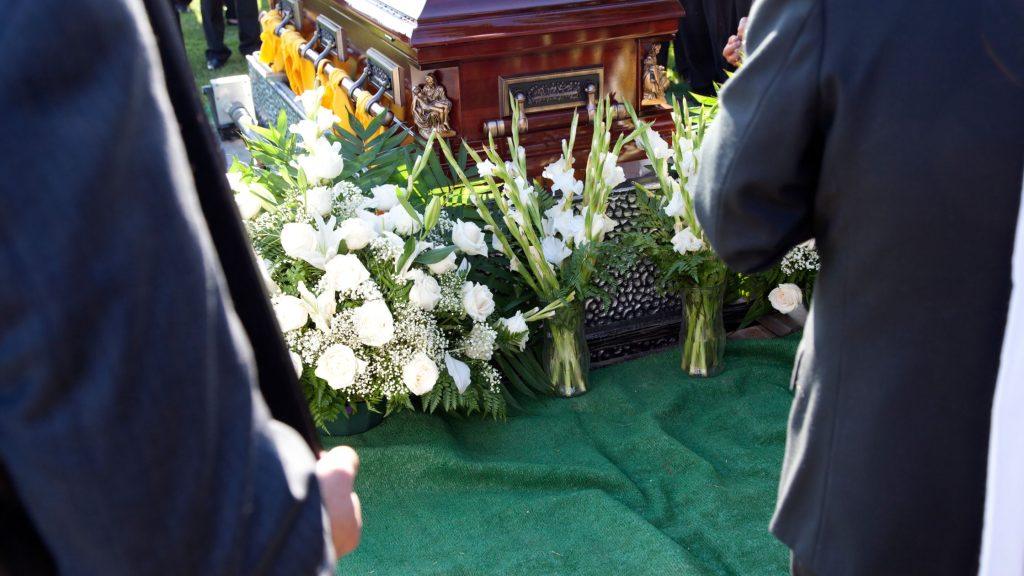
The Healing Power of Funerals: A Path Through Grief

The death of a loved one is one of life’s most difficult experiences. It leaves a void that often feels impossible to fill, and coping with grief can be a long and arduous journey. In such times, rituals and traditions play a vital role in helping individuals and families navigate the complex emotions that arise. Funerals, in particular, provide a structured space for grief, healing, and remembrance. These ceremonies offer a communal setting where people can honor the deceased while finding comfort in shared rituals. In this expanded article, we’ll explore the healing power of funerals, the role of rituals in emotional recovery, and how community support through these ceremonies can guide mourners toward a path of healing.

The Importance of Funerals in Emotional Healing

Funerals have been a universal practice for centuries, across cultures and belief systems, designed to offer solace during one of life’s most painful experiences. Beyond their cultural and religious significance, funerals hold profound emotional value for those grieving. But why do they resonate so deeply with us, and how do they contribute to emotional healing?

Closure and Acceptance

One of the most significant aspects of funerals is their ability to provide closure. When a loved one dies, it can be difficult to accept the finality of death. Funerals serve as a formal acknowledgment of this reality, offering a structured moment in which friends and family can come together to mourn. The act of gathering at a funeral allows individuals to face the reality of the loss and begin the painful but necessary process of acceptance. By bringing closure to the immediate chaos that often follows a death, funerals provide the foundation upon which emotional healing can begin.

Shared Grief and Support

Grieving in isolation can make the experience even more overwhelming. Funerals counter this isolation by bringing together a supportive community, creating a space for shared grief. In these moments, mourners can find comfort in knowing they are not alone in their sorrow. The sense of solidarity that comes from communal grieving helps individuals feel less isolated in their pain and more supported by those who understand the depth of their loss.

Honouring the Life of the Deceased

While funerals are inherently about mourning, they are also about celebration—celebrating the life of the deceased. Through eulogies, personal tributes, music, and the sharing of memories, funerals give mourners the opportunity to focus on the life lived rather than solely on the death. Honouring the deceased in this way helps to shift the emotional focus from the pain of loss to the legacy they left behind. By celebrating their life, we can find meaning and comfort in their memory, which aids in the healing process.

Cultural and Religious Significance

Funeral traditions vary widely across different cultures, but the fundamental purpose remains the same: to provide a structured way for people to express sorrow, honour the dead, and facilitate emotional recovery. In some cultures, funerals are elaborate, multi-day events with various rituals, while in others, they may be simpler, quieter affairs. Regardless of the specific customs, these traditions play a critical role in helping people process their emotions. They offer a sense of continuity and connection to generations past, reminding mourners that death is a part of the human experience that countless others have faced before.

How Rituals Help Us Cope With Grief

Rituals, such as funerals, are powerful tools in coping with loss. The act of participating in a ritual brings a sense of order to an otherwise chaotic emotional time. These rituals offer both symbolic and psychological benefits that help individuals process their grief.

Symbolic Meaning in Rituals

Rituals imbue loss with symbolic meaning, which is critical for helping people navigate the grieving process. Funerals often include acts such as lighting candles, saying prayers, scattering ashes, or placing flowers on a grave. Each of these acts carries symbolic significance, helping mourners make sense of their loss in a way that words alone cannot. These gestures create a bridge between the tangible world and the emotions of the bereaved, offering a way to process grief that is both spiritual and practical.

Restoring a Sense of Control

Grief often comes with feelings of helplessness and a lack of control. After losing a loved one, emotions can feel chaotic and overwhelming. Funerals, however, introduce structure during this difficult time. Rituals provide mourners with something concrete to focus on, whether it’s the order of the service, the traditional acts of mourning, or the speeches given in memory of the deceased. By participating in these structured activities, mourners regain a sense of control, even if just for a brief moment.

Creating a Lasting Memory

One of the most meaningful aspects of funerals is their ability to create lasting memories of the final farewell. The rituals performed during a funeral—whether it be the reading of a poem, the playing of a favorite song, or the act of lowering the casket into the ground—create a vivid memory for mourners to carry with them. These memories offer something tangible to hold onto, providing comfort and a sense of connection to the deceased long after the funeral is over.

Emotional Expression Through Rituals

Grief is an emotion that needs to be expressed, and funerals offer a socially acceptable outlet for this emotional release. Whether it’s through speeches, songs, or personal stories shared about the deceased, funerals provide a space where it is okay to cry, mourn, and reflect on the loss. This emotional expression is a crucial step in the healing process, as suppressing grief can lead to prolonged emotional distress. Funerals create an environment where mourning is normalized and even encouraged, which helps individuals begin the journey of healing.

Coping With Grief Through Community Support

One of the most profound ways funerals help us cope with grief is through the support of a community. Mourning is deeply personal, but the presence of others who share in the sorrow can make the experience less isolating and more manageable.

Gathering of Family and Friends

Funerals bring together family and friends, creating a network of support during a time of loss. This collective mourning not only strengthens existing relationships but can also help to heal fractures that may have existed. The shared experience of grief often brings people closer, offering a form of emotional comfort that is difficult to find elsewhere. Funerals give family members and friends a chance to reconnect, reminisce, and support one another during one of life’s most challenging moments.

A Public Expression of Grief

In many cases, people may feel reluctant to show vulnerability or express sorrow in their daily lives. Funerals, however, offer a safe and socially acceptable space for open emotional expression. During a funeral, it becomes not only acceptable but expected to cry, grieve, and reflect on the deceased. This public display of grief is cathartic, allowing individuals to release pent-up emotions and begin the healing process.

Honouring Long-Standing Traditions

Many funerals include traditions that have been passed down through generations. Whether it’s a specific religious practice or a family ritual, these traditions offer comfort by connecting mourners to something larger than themselves. They remind us that others have walked this path before and that we are not alone in our grief. The continuation of these rituals helps provide a sense of stability during a time of emotional upheaval.

Eulogies and Personal Tributes

One of the most powerful aspects of a funeral is the opportunity to speak about the deceased. Eulogies and personal tributes allow loved ones to reflect on the person’s life, their accomplishments, and the impact they had on others. This act of storytelling helps mourners process their grief by focusing on the positive memories rather than the pain of the loss. Sharing these stories publicly helps to celebrate the deceased’s life and legacy, reinforcing the idea that they will not be forgotten.

Why Funerals Are Crucial for Moving Forward

Funerals mark the end of one chapter and the beginning of a new phase in the lives of the bereaved. They are not just about saying goodbye; they are a crucial step in moving forward after a loss.

Marking the Transition Between Life and Death

Funerals serve as a formal acknowledgment of the transition from life to death. This ritual helps mourners understand that while the physical presence of their loved one is gone, their memory and spirit remain. The structure of the funeral service provides a sense of closure, which is essential for moving forward and adapting to life without the deceased.

Emotional Release for the Bereaved

The deep emotions evoked by funerals are not just painful—they are necessary. The act of grieving in a structured environment allows individuals to fully experience their emotions and begin the process of emotional release. By openly expressing sorrow in a supportive setting, mourners can begin to heal, rather than suppressing their feelings.

Ongoing Support for the Bereaved

Funerals provide an opportunity for the bereaved to stay connected with their support network long after the ceremony is over. In the weeks and months following the funeral, the bonds formed during the communal mourning process often continue to provide emotional support. Whether through follow-up visits, memorial services, or even just shared memories, this ongoing connection helps mourners navigate the difficult journey of grief.

Commemorative Rituals for Long-Term Healing

For many, the healing process doesn’t end with the funeral. Commemorative rituals such as lighting candles on anniversaries, holding memorial services, or visiting the grave site can provide ongoing comfort. These rituals serve as reminders that the deceased is not forgotten, helping mourners to continue the healing process over time.

Conclusion

In conclusion, funerals serve a critical role in the grieving process. They offer structure, support, and a space for emotional expression, all of which are essential for healing. Through the power of rituals, individuals and families can find a path forward while honouring the memory of their loved ones. Funerals remind us that while death is a part of life, the bonds we share with those we love endure beyond death. By coming together to mourn and celebrate the lives of those who have passed, we allow ourselves to heal, find meaning in our loss, and continue to carry the memory of our loved ones with us.

The Vital Role of Funeral Directors: Navigating Grief and Loss with Compassion

In times of loss, families often face overwhelming emotions and decisions. The death of a loved one can trigger a whirlwind of feelings—grief, sadness, confusion, and even guilt. In these moments of vulnerability, funeral directors step in as compassionate guides, providing vital support and expertise during these difficult times. They are not just caretakers of the deceased; they are pivotal in navigating the intricate path of mourning and remembrance. This post explores the multifaceted role of funeral directors and how they help families honour their loved ones while managing the complexities of saying goodbye.

Understanding the Duties of a Funeral Director

Funeral directors wear many hats, balancing a range of responsibilities that serve both the deceased and their families. Their role extends beyond mere logistics; it encompasses emotional support, education, and community service. Here are some key duties:

1. Arranging Services

One of the primary responsibilities of a funeral director is coordinating all aspects of the funeral. This involves:

  • Selecting the Venue: Whether it’s a church, funeral home, or outdoor location, choosing the right venue is crucial. The location sets the tone for the service, and the funeral director’s familiarity with local venues helps families make the best choice.
  • Timing and Scheduling: Arranging the service time to accommodate family members and friends, including any religious or cultural rituals, ensures that everyone can pay their respects. This can involve extensive coordination, particularly in larger families or communities.
  • Logistics Management: Organizing transportation for the deceased, family members, and attendees is a critical task. This includes hearses, limousines, and other vehicles. The funeral director ensures that the logistics run smoothly on the day of the service, relieving families of additional stress.

Each detail matters, and the funeral director ensures that everything runs smoothly. They are often the point of contact for vendors, including florists, caterers, and clergy, streamlining the planning process for grieving families.

2. Providing Support

Offering emotional and logistical support is another critical aspect of a funeral director’s role. This includes:

  • Listening and Empathy: Funeral directors provide a safe space for families to express their feelings. They are trained to listen empathetically, allowing family members to share their grief and memories. This can be incredibly healing for families who feel overwhelmed by their emotions.
  • Crisis Management: Helping families make urgent decisions during emotional turmoil, such as choosing caskets or deciding on burial versus cremation, requires a delicate touch. Funeral directors guide families through these decisions, ensuring they feel informed and respected.
  • Creating a Supportive Environment: Funeral directors often arrange memorial services that reflect the deceased’s life, encouraging families to celebrate their loved one’s memory meaningfully. This might involve organizing personal tributes or integrating special elements that resonate with the deceased’s character.

By fostering a supportive environment, funeral directors help families cope with their emotions and begin the healing process.

3. Handling Legalities

Navigating the legal aspects of death can be overwhelming for families. Funeral directors help manage necessary paperwork, including:

  • Death Certificates: They assist in obtaining and filing the official death certificate, which is required for legal and financial matters. This task can be particularly challenging for families who are already grieving.
  • Permits: Depending on the location and type of service, specific permits may be needed, such as burial permits or cremation authorizations. Funeral directors are knowledgeable about these requirements and ensure that everything is in order.
  • Insurance Claims: Funeral directors can guide families in understanding insurance policies and filing claims related to funeral expenses. They help families navigate these financial matters, alleviating some of the burdens they face during their time of grief.

By taking on these responsibilities, funeral directors help ease some of the burdens families face during their time of grief.

Emotional Support and Guidance

One of the most vital roles of a funeral director is providing emotional support. The grieving process is unique to each individual, and funeral directors are trained to help families navigate this challenging time. They offer:

1. A Listening Ear

The ability to listen without judgment is crucial in these moments. Funeral directors allow families to:

  • Express Their Feelings: Families can share their grief, memories, and concerns, which can be therapeutic. This open dialogue can lead to a deeper understanding of the grieving process.
  • Share Stories: Encouraging families to reminisce about their loved one can create a sense of closure and celebration. Storytelling can be a powerful tool for healing, allowing families to honor their loved one’s legacy.

2. Coping Strategies

Funeral directors are often a source of information regarding grief counseling and support resources. They may provide:

  • Referrals to Grief Counselors: Directing families to professionals who specialize in grief therapy can be invaluable. These counselors can help families process their emotions in a safe environment.
  • Grief Support Groups: Many funeral homes host or can recommend local support groups, providing families with communal resources. These groups offer a safe space for sharing experiences and connecting with others who are also grieving.

3. Planning Assistance

Helping families make informed decisions about services and memorialization is another essential aspect of their role. This may include:

  • Providing Guidance on Options: Funeral directors educate families on the various service options available, from traditional funerals to more contemporary memorial services. They help families navigate their choices, ensuring they feel empowered.
  • Customization of Services: They assist families in personalizing the service to reflect the deceased’s life, interests, and values, making the farewell truly unique. This could include incorporating favorite songs, photographs, or other personal touches.

By providing emotional support and practical guidance, funeral directors play a critical role in helping families find their way through the grieving process.

Education and Resources Provided by Funeral Directors

Funeral directors serve as valuable educators for families, helping them understand their options and the funeral process. Their expertise extends to various areas, including:

1. Explaining Options

Funeral directors take the time to discuss various service options, ensuring families are informed. This includes:

  • Burial vs. Cremation: Explaining the differences, including costs, environmental considerations, and family preferences, helps families make informed choices that align with their values.
  • Memorial Services: Offering insights into different types of services, from religious ceremonies to secular tributes, allows families to choose a format that resonates with their beliefs and preferences.

Understanding these options empowers families to make choices that align with their values and beliefs.

2. Providing Resources

In addition to direct support, funeral directors share resources that can assist families in their grieving journey. This might include:

  • Pamphlets and Brochures: Informational materials about grief, bereavement, and available support services offer families guidance during a difficult time.
  • Online Resources: Many funeral homes have websites that offer articles, videos, and links to grief counseling services. These resources help families feel less isolated and more informed during a challenging time.

3. Supporting Pre-Planning

Funeral directors encourage families to consider pre-arranged funeral plans for future peace of mind. They can provide:

  • Pre-Planning Options: Discussing the benefits of making arrangements in advance, such as locking in prices and easing the burden on loved ones, helps families make informed decisions.
  • Flexible Payment Plans: Offering information on financing options that make pre-planning accessible allows families to plan within their budget.

Pre-planning allows individuals to express their wishes, ensuring that their desires are honored when the time comes.

Cultural Sensitivity in Funeral Services

Another critical aspect of a funeral director’s role is cultural sensitivity. Understanding and respecting different cultural practices and traditions is essential in providing meaningful funeral services. This includes:

  • Customizing Services: Funeral directors work with families to incorporate specific rituals or customs that reflect their cultural beliefs. This personalization can help families feel that their loved one’s life is being honored in a way that is significant to them.
  • Education on Practices: Providing information on various cultural practices and how they can be honored during the service is vital for inclusivity. Many funeral homes have resources to educate families about diverse customs, ensuring all families receive personalized support.

By being culturally aware, funeral directors ensure that all families receive personalized support, honoring the unique ways individuals celebrate life and mourn death.

Conclusion

The role of a funeral director extends far beyond planning services; they are integral in supporting families through one of life’s toughest challenges. By offering guidance, education, and compassionate care, they help ensure that every farewell is a meaningful tribute. If you or someone you know is facing the loss of a loved one, reaching out to a professional funeral director for support can make a significant difference during a profoundly challenging time.

In these moments of grief, the presence of a knowledgeable and caring funeral director can be a beacon of hope, helping families find their way through the darkness of loss.

Remember, you are not alone—support is available. The journey through grief is a personal one, and having a dedicated funeral director by your side can provide comfort, guidance, and a sense of peace as you navigate this difficult path.

Jones Funeral Home
Privacy Overview

This website uses cookies so that we can provide you with the best user experience possible. Cookie information is stored in your browser and performs functions such as recognising you when you return to our website and helping our team to understand which sections of the website you find most interesting and useful.